
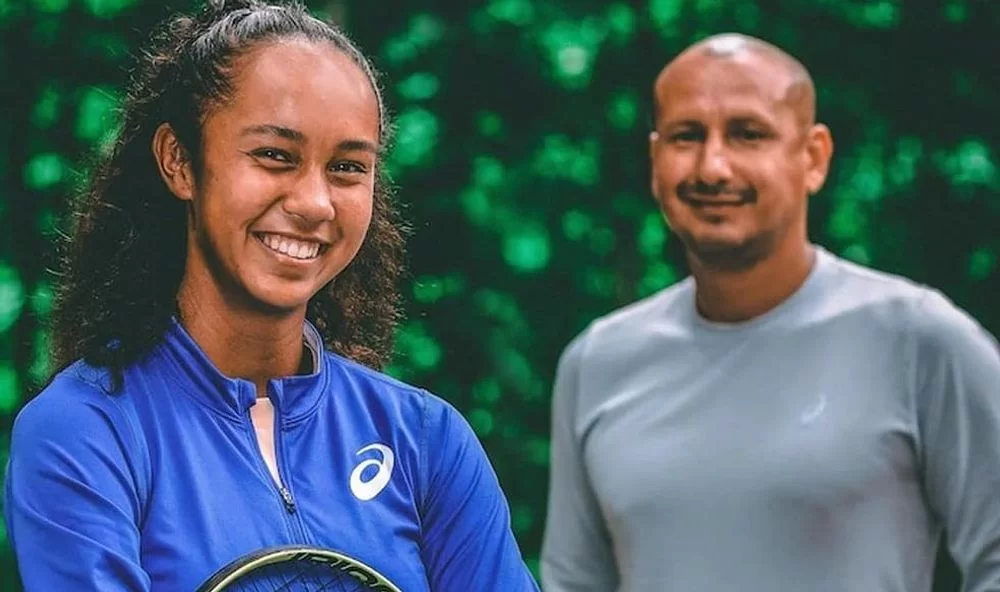
Fresh attention has turned to Leylah Fernandez parents family history amid her strong 2025 resurgence on the tennis circuit. Titles in Washington and Japan marked her most consistent season yet, prompting renewed curiosity about the roots that shaped her resilience. Observers note how her multicultural upbringing in Montreal echoes in her tenacious play, especially after family-mentioned challenges earlier in the year. Jorge Fernandez and Irene Exteberria’s paths—from Ecuadorian soccer fields to Filipino-Canadian resolve—frame discussions now, as Leylah credits their sacrifices in recent interviews. This blend of heritage surfaces again, tying her recent wins to the discipline instilled early. Public records show a family that navigated separation and financial strains without fanfare, keeping focus on the court. As Leylah eyes 2026 majors, the story of her parents family history gains traction in Canadian sports pages, highlighting immigrant grit behind a homegrown star.
Jorge Fernandez’s Ecuadorian Roots
Early Life in Guayaquil
Jorge Fernandez came into the world in Guayaquil, Ecuador, a coastal city pulsing with energy. At four years old, his family uprooted to Montreal, chasing stability in Canada. That move shaped a boy into a man who adapted quickly—soccer became his outlet on chilly Quebec fields. Semi-pro matches for local Montreal clubs followed, where Jorge honed footwork and team spirit that later transferred to coaching. No glamour in those days; just grind, much like the ports back home. Public accounts place his citizenship solidification at 14, blending identities without erasure.
He rarely speaks of childhood details beyond immigration. Yet traces emerge in Leylah’s stories—Ecuadorian flair in family meals, stories of humid training grounds. Jorge’s path diverged from pro soccer dreams when daughters arrived. Guayaquil faded, but its tenacity lingered.
Immigration to Canada
Crossing into Canada meant starting over for young Jorge. Montreal’s winters tested the family from tropical Ecuador. Jorge integrated through sports, joining local soccer leagues that doubled as community hubs. Schooling followed, then work—steady jobs funding the household. By teens, Canadian citizenship formalized his place, though Ecuadorian ties endured via language and visits.
Leylah later described those years as foundational. Jorge worked multiple shifts, balancing fatherhood with athletic pursuits. No public records detail exact jobs, but patterns suggest labor-intensive roles common to immigrants. Soccer remained his passion—semi-pro stints showcased skill without breakout fame. That era built the discipline he demanded on tennis courts. Family lore has him scouting talent early, pivoting when Leylah picked up a racket.
Separation from Irene came later, during Leylah’s childhood. Yet co-parenting endured, centered on the girls’ futures.
Soccer Career Details
Jorge’s soccer days peaked in Montreal’s amateur circuits. Semi-professional play for local clubs marked his competitive height—no national team calls, but solid contributions. He navigated pitches as a midfielder, emphasizing strategy over flash. Ecuadorian style influenced his game—quick passes, relentless pressure.
Transition to coaching happened organically. Daughters‘ sports pulled him in; soccer faded for tennis sidelines. Public interviews reveal little regret—he traded cleats for rackets seamlessly. Leylah recalls dad analyzing matches late nights, adapting soccer tactics to her lefty swings. That shift defined Leylah Fernandez parents family history’s coaching chapter.
Clubs remember him as reliable, a player who led quietly. No stats survive widely, but impact echoes in his methods.
Shift to Tennis Coaching
No tennis background equipped Jorge when Leylah showed interest at five. He dove in—video breakdowns, books, court observations. Self-taught, he crafted routines blending soccer endurance with racket precision. Mental toughness became mantra; losses dissected over dinner.
By her teens, Jorge quit soccer fully, dedicating to full-time coaching. Rejections from academies? He built his own system. Leylah’s 2021 US Open run spotlighted it—upsets over top seeds traced to dad’s drills. Recent 2025 wins nod back; she thanks him publicly post-Washington.
Florida base solidified the setup—training, travel, family orbit. Separation with Irene tested logistics, but unity held for the sport.
Irene Exteberria’s Filipino Influence
Canadian Birth Filipino Heritage
Irene Exteberria entered life in Canada, daughter of Filipino immigrants. That duality—born Quebecois, raised with adobo and family-first values—colored her world. Public profiles note her as the glue, working abroad while Jorge coached. Filipino roots run deep; Leylah embraces them openly, speaking of cultural pride.
Details on Irene’s parents stay sparse—no names in records, just descent confirmed across sources. She balanced finance work with motherhood, moving to California for better pay during lean years. That sacrifice funded rackets, flights, early tournaments.
Leylah’s multilingual edge partly traces here—Tagalog influences amid English, French, Spanish.
Financial Sacrifices in California
Years in California marked Irene’s heavy lift. Full-time work there sustained the family as Leylah grinded juniors. Distance strained bonds, but calls and remittances bridged gaps. Jorge handled courtside; Irene, the books.
Publicly, she shuns spotlight—emotional anchor, not interviewer fodder. Leylah’s Mother’s Day posts highlight it: gratitude for stability amid chaos. 2025 family “scare” mentions vaguely nod to her role, though details evade confirmation.
Return to Canada aligned with Leylah’s pro rise. Filipino festivals, food—those touches persisted, grounding the athlete.
Emotional Backbone Role
Irene’s quieter presence contrasts Jorge’s courtside fire. She managed home front, siblings’ needs during travels. Separation didn’t fracture support; co-strategy for Leylah’s career endured.
Leylah credits mom’s resilience for her own—handling pressure, family first. No coaching clips feature Irene, but post-match hugs tell stories. Recent Billie Jean King Cup triumphs invoked family unity, her shadow included.
Cultural transmission shines: Leylah’s charity foundation echoes Filipino community values.
Post-Separation Family Dynamics
Divorce hit during Leylah’s youth—no messy headlines, just forward motion. Irene and Jorge collaborated seamlessly on coaching, finances. Florida hub emerged, sisters training under dad, mom nearby.
Public view sees harmony—doubles with Bianca, family boxes at majors. Irene’s lower profile suits; she enables without claiming credit. Leylah’s 2025 reflections weave in both parents’ steadiness.
Family Structure and Siblings
Bianca Fernandez Tennis Path
Younger sister Bianca mirrors Leylah’s racket grip. Trained by Jorge, she debuted WTA doubles alongside Leylah—Monterrey loss, but Toronto semis together. UCLA stint honed her game; now pro pushes.
2024 Cincinnati saw Bianca coach Leylah briefly—dad in meetings. Bond fuels both; Billie Jean King Cup doubles hinted synergy. Bianca’s rise adds layers to Leylah Fernandez parents family history.
Florida life cements it—shared courts, sibling rivalry sharpening edges.
Jodeci’s Divergent Choices
Eldest Jodeci skipped sports for dentistry. Vermont base keeps her grounded, away from tour glare. Supportive cameos at matches surface occasionally—no pro ambitions.
Family narratives cast her as steady eldest, balancing athletic sisters. Leylah’s interviews nod to her influence—normalcy amid spotlights. Jodeci’s path underscores choices in the Fernandez fold.
No public tennis ties, but family cheers unite them.
Blended Heritage Upbringing
Montreal start mixed Ecuadorian fire, Filipino warmth, Canadian chill. Three daughters learned resilience early—language switches at dinner, sports as religion.
Separation tested, but unity prevailed. Leylah’s trilingual fluency embodies it; business studies at Indiana East reflect practicality.
2025 “scare” vaguely referenced hints ongoing tests, yet family endures.
Shared Athletic Commitments
Tennis dominates, but soccer echoes in Jorge’s drills. Bianca’s doubles pair with Leylah—2022 Monterrey, Toronto semis—shows teamwork. Foundation work extends it: education, sports for others.
Public moments like US Open boxes capture it—parents, sisters cheering. Leylah’s 2025 titles amplified stories.
Cultural Legacy in Tennis Career
Ecuadorian Tenacity On Court
Jorge’s heritage infuses Leylah’s baseline grit. Quick feet from soccer drills—evident in US Open upsets. Mental stare-downs trace to Ecuadorian resolve.
2021 final run embodied it; 2025 Washington comeback echoed. Leylah speaks of dad’s immigrant hustle fueling her.
Filipino Discipline Echoes
Irene’s side brings endurance—long rallies, family loyalty. Work ethic from mom’s sacrifices shines in marathons like Japan Open win.
Cultural pride surfaces: Lapu-Lapu tributes, Filipino-Canadian identity. Charity foundation channels it.
Canadian Identity Fusion
Montreal roots anchor—Billie Jean King Cup triumph sealed it. First Canadian win, Leylah pivotal.
Multicultural banner waves high; 2026 Australian Open looms with family backdrop.
Immigration Narrative Impact
Parents’ journeys—from Guayaquil port to California desks—mirror Leylah’s global chase. No silver spoons; bootstraps built champions.
Recent coverage ties 2025 success to this. Public record shows grit, not gloss.
Leylah Fernandez parents family history reveals a tapestry of migration, sacrifice, and sport that propelled a Montreal girl to majors. Jorge’s self-made coaching and Irene’s distant support bridged separations and strains, yielding two tennis pros amid dentistry’s steadiness. Public accounts confirm Ecuadorian-Filipino roots fueling resilience—2025 titles and vague family scares underscoring endurance. Yet gaps persist: exact immigration dates, Irene’s parents’ tales, Jodeci’s daily life—all shielded from spotlights. No full chronicle exists; interviews hint at more, unshared.
This legacy shapes Leylah’s edge, blending cultures without dilution. As she targets 2026 Slams, questions linger—will Bianca match her highs? How might family evolutions influence next chapters? Reporting leaves it open: the Fernandez story evolves courtside, unresolved in full public view.

Previous Article
iMac Pro i7 4K Hardware SpecsNext Article
Rebecca Halliday Media Mentions Explained