
Choosing The Right Size Men Crossbody Bags
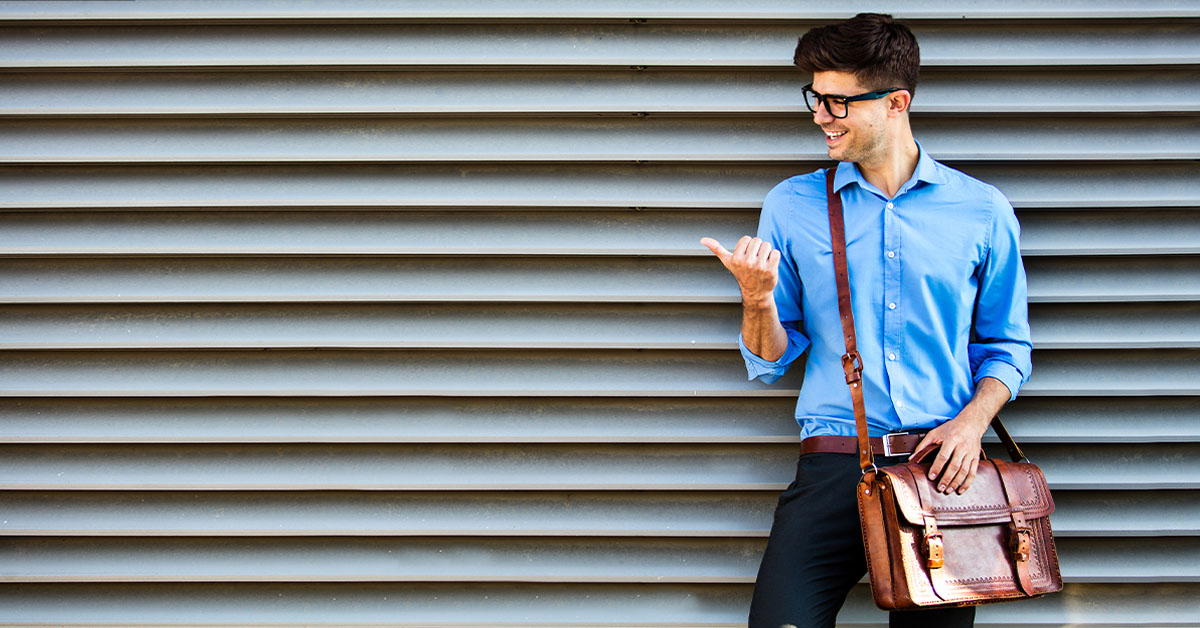
I bought my first crossbody bag three years ago after my wife got tired of holding my stuff at events. Wallet, phone, keys – all crammed into her purse because I refused to carry a bag. Finally gave in and bought what I thought was a good-looking crossbody.
Looked great online. In person? Absolutely massive. Thing hung down to my thigh like I was carrying a messenger bag for school. Returned it the next day and realized I had no idea how to choose the right size.
Turns out, crossbody bag sizing is way more nuanced than I expected. Too small and you can’t fit anything useful. Too large and you look ridiculous. The right size depends on what you’re carrying, your body type, and what situations you’ll use it in.
Here’s everything I learned about sizing after buying and returning four different bags before finding the right one.
Your Height Actually Matters
Shorter guys need to pay serious attention to bag dimensions. A 10-inch bag might look proportional on someone who’s 6’2″, but on a 5’8″ frame it overwhelms your torso.
I’m 5’10” and found that 8-9 inch bags work best for my build. Anything larger starts to look like I borrowed my dad’s briefcase. Taller friends can pull off 11-12 inch bags that would look absurd on me.
The bag should sit comfortably at your hip when worn crossbody. If it’s swinging at mid-thigh, it’s too long for your height. Adjust the strap first before assuming the bag itself is wrong – sometimes you just need to shorten it.
Body proportions matter more than actual height though. Broader shoulders can balance larger bags better. Slimmer builds look better with compact sizes that don’t overpower your frame.
What You’re Actually Carrying
Be realistic about what you need to carry daily. My first mistake was buying based on looks instead of function. The bag looked sleek but couldn’t fit my phone, wallet, and keys comfortably.
For everyday carry – phone, wallet, keys, maybe AirPods – a 7-8 inch bag works perfectly. Compact enough to not feel bulky but large enough for essentials. This is the sweet spot for most guys.
If you’re carrying a tablet or small e-reader, you need at least 9-10 inches. Anything smaller and you’re cramming devices that don’t fit properly. I learned this after creasing my Kindle trying to force it into an undersized bag.
Travel requires larger sizes – 10-12 inches to accommodate passports, boarding passes, chargers, and snacks. But don’t use your travel bag for daily errands unless you enjoy looking like a tourist in your own city.
Water bottles change everything. Some bags have side pockets designed for bottles, but most don’t. If you need water bottle capability, specifically look for bags marketed for that purpose.
Interior Organization Needs
Small bags force you to be minimalist. A 7-inch bag might have one main compartment and a couple small pockets. That’s it. Everything goes in together and you’re digging for your keys at the bottom.
Medium 9-10 inch bags typically offer better organization – multiple compartments, card slots, dedicated phone pockets. Way more functional for daily use when you’re carrying multiple items.
I prefer bags with at least three separate sections. Wallet and cards in one, phone in another, miscellaneous stuff in the third. Keeps things organized and easy to grab without rummaging.
Zippered pockets for valuables are essential. Open pockets let things slide out when the bag shifts around. Lost my wireless earbuds once because they fell out of an unsecured pocket.
Strap Length And Adjustability
Standard strap lengths run 45-54 inches, which sounds like plenty of range until you actually try adjusting them. Some bags have limited adjustment, leaving you stuck with awkward positioning.
I’m average height and prefer my bag sitting at my hip. That requires about 50 inches of strap length. Taller guys need 54+ inches, shorter guys around 45-48 inches.
Winter clothing changes everything. That bag that fits perfectly over a t-shirt becomes too short when you’re wearing a heavy jacket. Adjustable straps let you accommodate seasonal clothing layers.
Test the adjustment mechanism before buying. Some use cheap plastic sliders that slip constantly. Quality bags use metal hardware that holds position even when fully loaded.
Proportion To Your Build
Slimmer guys should avoid oversized bags that make you look like the bag is carrying you. Stick to compact 7-9 inch sizes that complement rather than overwhelm your frame.
Athletic builds can handle larger bags without looking disproportionate. The broader shoulders balance the visual weight of a bigger bag across your torso.
If you’re carrying extra weight, tiny bags look oddly small against your body. Medium to large sizes create better visual balance and don’t look like you borrowed your kid’s bag.
The bag should feel like a natural extension of your outfit, not a statement piece that dominates everything else you’re wearing. Unless you specifically want that look, which is fine too.
Capacity Versus Appearance
The eternal struggle – do you choose function or aesthetics? I wanted a sleek minimal bag that looked good. Bought it, realized it held almost nothing, returned it for something more practical.
Honestly, most of us need medium-sized bags around 9-10 inches. Enough capacity for real use without looking like you’re hauling cargo. The versatile middle ground that works for most situations.
Small bags force discipline about what you carry. Can be liberating if you tend to over-pack. I found myself leaving unnecessary stuff at home because it simply wouldn’t fit.
Check dimensions carefully before ordering online. A bag listed as “compact” might still be 11 inches, which isn’t compact at all. Read measurements, not marketing descriptions.
Comparing Sizes In Person
Online shopping makes finding the right size harder because you can’t see scale. That bag looks perfect in the product photo until it arrives and you realize the model was 6’5″ making it look smaller.
Visit stores and try on different sizes if possible. Stand in front of a mirror and see how each size looks on your actual body. What works on someone else might look terrible on you.
Bring the items you plan to carry and test fit them. Does your phone slide in easily? Does your wallet fit without forcing it? Can you access items quickly or are you digging around?
I keep a measuring tape now and check bag dimensions against items I know I’ll carry. Saves the hassle of ordering, waiting, trying, and returning.
Material Affects Perceived Size
Structured leather bags maintain their shape and tend to look bulkier even when empty. Soft nylon or canvas bags compress when not full, appearing smaller.
Bulky materials add visual weight. A 9-inch bag in thick leather looks larger than a 9-inch bag in thin nylon, even though they’re technically the same size.
Colors matter too. Black bags appear smaller than lighter colors. Dark navy or charcoal also minimize visual size compared to tan or gray.
If you’re between sizes and worried about the bag looking too large, choose structured materials in darker colors. Maximizes capacity while minimizing appearance.
Wrapping This Up
Right-sizing a crossbody bag takes more thought than I expected. It’s not just picking small, medium, or large – it’s matching dimensions to your body, your carry needs, and your situations.
Start with measuring what you actually need to carry daily. Build your size requirements from there instead of guessing what looks good.
When browsing men’s bags, check actual dimensions and compare them to items you know. That reference point prevents surprises when the bag arrives.
Most guys do well with 8-10 inch bags for daily use. Go smaller if you’re truly minimalist, larger if you regularly carry more gear. And always verify strap length works for your height before buying.