
Designer Kitchen Countertop Materials Guide 2026
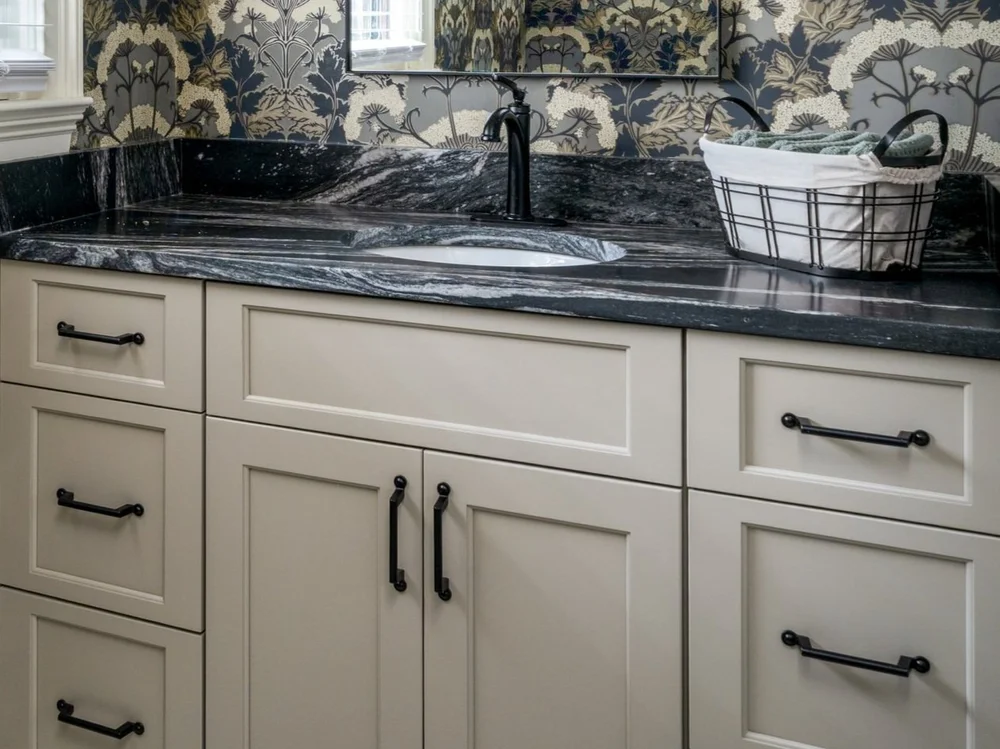
Designer kitchen countertop materials continue to shape the future of residential interiors, merging architectural beauty with high-performance engineering. In 2026, surface innovation goes beyond appearance today’s homeowners demand durability, sustainability, and long-term value. Selecting the right countertop material is no longer a simple aesthetic decision; it is a strategic investment in functionality, property value, and everyday living experience.
From engineered quartz to advanced solid surfaces, designer kitchen countertop materials now offer exceptional resistance to stains, scratches, impact, and heat. These features make them essential in modern kitchens where cooking, entertaining, and family life intersect daily.
Why Designer Kitchen Countertop Materials Matter More Than Ever
The kitchen remains the most utilized space in any home. Countertops endure constant exposure to moisture, sharp tools, hot cookware, and food preparation. Choosing inferior materials can lead to early wear, discoloration, and costly replacements.
High-quality designer kitchen countertop materials provide:
- Long-term structural integrity
- Non-porous, hygienic surfaces
- Resistance to stains and bacteria
- Enhanced resale value
- Consistent aesthetic appeal over time
Manufacturers such as Hyundai L&C have invested in research-driven surface technologies engineered to withstand real-world residential demands.
Top Designer Kitchen Countertop Materials for 2026
1. Quartz Countertops
Quartz remains one of the most popular designer kitchen countertop materials due to its engineered composition. Made from natural quartz crystals combined with advanced resins, this material offers remarkable strength and design flexibility.
Benefits include:
- Non-porous surface that resists staining
- No sealing required
- Wide range of colors and patterns
- Strong resistance to chips and cracks
- Low maintenance upkeep
Quartz designs now replicate marble, granite, and even concrete finishes with impressive realism, allowing homeowners to achieve luxury aesthetics without the maintenance challenges of natural stone.
2. Solid Surface Materials
Solid surface countertops offer seamless integration and modern appeal. These materials allow integrated sinks and backsplashes, creating smooth, uninterrupted lines ideal for contemporary kitchens.
Key advantages include:
- Repairable scratches and minor damage
- Seamless joint installation
- Smooth matte finishes
- Customizable shapes and curves
Solid surfaces are particularly suitable for households prioritizing easy maintenance and minimalist design.
3. Engineered Stone
Engineered stone combines natural minerals with polymer resins to produce highly durable countertops. It delivers the beauty of natural stone with enhanced impact resistance and design consistency.
Engineered stone stands out for:
- Heat resistance
- Strong compression strength
- Bold veining options
- Textured finishes
These designer kitchen countertop materials are ideal for open-concept kitchens where the island serves as a focal point.
How to Choose the Right Designer Kitchen Countertop Materials
Selecting the ideal countertop requires balancing performance, aesthetics, and lifestyle needs. Use this decision framework:
1. Evaluate Daily Use
Heavy cooking requires heat-resistant and scratch-resistant materials. Entertaining-focused kitchens benefit from stain-resistant surfaces that maintain a polished appearance.
2. Align With Interior Style
Consider cabinetry color, flooring, and lighting. Popular trends in 2026 include:
- Marble-inspired white quartz
- Warm beige stone textures
- Industrial gray concrete finishes
- Dramatic black surfaces with bold veining
Designer kitchen countertop materials should harmonize with overall architectural intent.
3. Prioritize Maintenance
Low-maintenance surfaces such as quartz and engineered stone reduce long-term upkeep costs. Avoid porous materials if routine sealing is not desirable.
4. Verify Certifications
Look for sustainability certifications such as GREENGUARD and NSF compliance to ensure indoor air quality standards and safety benchmarks are met.
Sustainability and Surface Innovation
Eco-conscious design continues to influence the countertop industry. Many designer kitchen countertop materials now incorporate:
- Recycled content
- Low-emission manufacturing processes
- Water-efficient production systems
- Responsible raw material sourcing
Sustainability does not compromise performance. Instead, it enhances product value by supporting healthier indoor environments and long-term environmental responsibility.
Advanced digital fabrication techniques also reduce installation waste and improve precision, leading to cleaner edges and better fit.
Maintenance Tips for Long-Term Performance
Proper care extends the lifespan of designer kitchen countertop materials significantly.
Follow these expert recommendations:
- Clean spills immediately with mild soap and water
- Avoid abrasive scrubbers
- Use cutting boards to prevent surface scratches
- Place hot pans on trivets
- Follow manufacturer care instructions
Consistent maintenance preserves both structural durability and aesthetic finish.
Elevating Home Value Through Premium Surfaces
High-quality designer kitchen countertop materials contribute directly to property value. Real estate professionals consistently highlight kitchens as a top selling feature. Investing in durable, visually striking countertops improves buyer perception and competitive positioning in the housing market.
Beyond resale value, premium surfaces enhance everyday living. A well-designed countertop supports meal preparation efficiency, improves sanitation, and creates a welcoming environment for gatherings.
The Future of Designer Kitchen Countertop Materials
Emerging innovations in 2026 include:
- Ultra-thin slab technology
- Integrated smart surface features
- Enhanced UV resistance
- Improved impact absorption engineering
Leading manufacturers such as Hyundai L&C continue to refine performance standards while expanding aesthetic collections tailored to evolving design trends.
As interior design shifts toward personalization, countertop materials now offer greater customization in finish, texture, and pattern scale. Homeowners can achieve distinctive kitchens that reflect individual style without sacrificing durability.
Conclusion
Designer kitchen countertop materials in 2026 represent a fusion of technology, sustainability, and timeless design. The right surface choice enhances functionality, elevates aesthetic appeal, and increases long-term property value.
By selecting high-performance materials engineered for modern living, homeowners secure kitchens that remain resilient, hygienic, and visually striking for years to come.
Thoughtful investment in designer kitchen countertop materials transforms kitchens into enduring design statements spaces where innovation meets everyday life.
Visit us at: Hyundai L&C