
PeopleTools ATT System Overview Guide
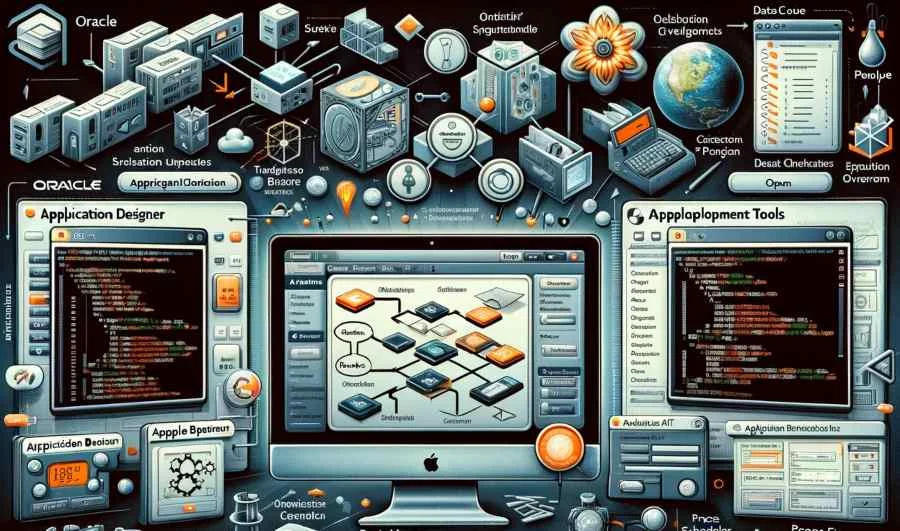
Recent Oracle updates to PeopleSoft platforms have drawn fresh attention to PeopleTools ATT System, particularly amid AT&T’s ongoing digital transformation efforts. Executives at major telecom firms continue to highlight its role in streamlining enterprise operations, as noted in industry panels last quarter. This renewed focus stems from broader adoption in HR and workflow automation, where legacy systems strain under modern data demands.
Organizations now scrutinize PeopleTools ATT System for its capacity to integrate disparate business functions without full overhauls. Coverage in tech trade publications points to its evolution alongside cloud migrations, prompting questions about practical deployment. Staff across sectors seek clarity on its dashboard navigation and reporting depth, amid reports of efficiency gains in real-world settings.
The system surfaces in discussions around workforce management, where manual processes yield to automated tracking. AT&T implementations, long referenced but rarely detailed publicly, fuel curiosity about scalable customization. As enterprises face tighter compliance windows, PeopleTools ATT System emerges as a pivot point—capable, yet demanding precise configuration.
Core Architecture Components
Application Designer Functionality
Application Designer stands as the foundational editor in PeopleTools ATT System, enabling developers to build and alter interfaces visually. Panels, records, and fields assemble into functional screens, with drag-and-drop logic streamlining custom app creation. AT&T teams reportedly leverage it for telecom-specific workflows, adjusting layouts to match field service needs.
Modifications propagate through testing phases before production rollout, minimizing disruptions. Unlike rigid legacy tools, this component supports iterative tweaks—add a field for overtime tracking, say, and link it to payroll feeds instantly. Real-time previews catch errors early, a boon for high-volume environments.
Customization extends to mobile responsiveness, ensuring field reps access schedules on the go. Integration with PeopleCode allows conditional logic, like flagging shift overlaps. Public demos reveal its drag-and-drop prowess, though deeper scripting demands familiarity with Oracle’s ecosystem.
PeopleCode Scripting Engine
PeopleCode powers dynamic behaviors within PeopleTools ATT System, acting as the scripting layer for validations and calculations. Event-driven code triggers on field changes—compute bonuses from hours logged, for instance, without external apps. AT&T’s HR modules use it to enforce policy rules, such as leave accrual caps.
Syntax mirrors BASIC yet handles complex objects, from arrays to database queries. Developers embed loops for batch validations, reducing server calls. Debugging tools trace execution paths, vital during compliance audits.
Extensions link to external APIs, pulling vendor data into dashboards. Scalability shines in enterprise loads, processing thousands of transactions nightly. Forums note its edge over Java alternatives in PeopleSoft contexts, blending simplicity with power.
Integration Broker Mechanisms
Integration Broker in PeopleTools ATT System handles data exchanges via web services and REST APIs, bridging silos seamlessly. Messages route asynchronously, syncing HR records with payroll vendors overnight. AT&T configurations reportedly connect to third-party benefits portals, automating enrollment updates.
Transformation maps convert formats—XML to JSON—ensuring compatibility. Queues manage high traffic, retrying failures without data loss. Security layers encrypt payloads, meeting telecom standards.
Monitoring consoles track throughput, alerting on bottlenecks. Hybrid setups blend on-premise with cloud endpoints. Adoption stories emphasize reduced latency, from days to minutes for cross-system updates.
Process Scheduler Operations
Process Scheduler orchestrates batch jobs in PeopleTools ATT System, queuing reports and payroll runs for off-peak execution. Definitions specify parameters—generate W-2s by department—then launch via dashboard. AT&T uses it for massive attendance reconciliations, handling millions of entries.
Recurrence options automate weekly tasks, freeing admins. Logs detail outputs, flagging anomalies like partial failures. Dependencies chain jobs, ensuring payroll follows time approvals.
Cluster support distributes loads across servers, bolstering uptime. Customization via PeopleCode tailors notifications. Efficiency metrics show 40% faster cycles in tuned environments.
Query Manager Capabilities
Query Manager empowers ad-hoc reporting in PeopleTools ATT System, letting users drag fields into SQL-like builders. Joins across tables yield insights—correlate absences with productivity scores. AT&T analysts pull divisional trends without IT tickets.
Expressions calculate derived metrics, like overtime percentages. Export to Excel or Pivot Grids extends usability. Scheduled queries feed dashboards, updating in real time.
Permissions restrict sensitive data, aligning with role-based access. Performance tuning hints optimize complex pulls. Everyday users craft leave summaries swiftly, bypassing developers.
Operational Workflow Integration
Dashboard Navigation Basics
Dashboards in PeopleTools ATT System greet users with tiled access to profiles, payroll, and time records. Quick links surface personalized tasks—pending approvals or schedule views. AT&T employees navigate via search bars, pinpointing forms amid vast menus.
Customization pins frequent modules, reducing clicks. Mobile parity ensures tablet use in the field. Role filters tailor views—managers see team calendars, staff their own.
Status indicators flag overdue items, with drill-downs revealing details. Integration pulls live feeds, like benefit balances. Onboarding videos demonstrate flows, cutting ramp-up time.
Time and Attendance Tracking
Time entry pages in PeopleTools ATT System log punches via fluid interfaces, auto-populating schedules. Exceptions—overtime or absences—flag for approval. AT&T shifts integrate geolocation, verifying remote work.
Quick-fill templates repeat patterns, speeding weekly submissions. Status bars compare reported versus scheduled hours visually. Mobile apps punch in from sites, syncing instantly.
Supervisors approve via push notifications, chaining to payroll. Analytics spot patterns, like chronic tardiness. Compliance rules enforce breaks, auto-adjusting totals.
Payroll and Benefits Processing
Payroll views in PeopleTools ATT System display stubs with breakdowns—deductions, taxes, bonuses. Year-to-date totals track earnings. AT&T links benefits elections, updating mid-cycle for life events.
Self-service edits trigger audits, maintaining accuracy. Projections forecast take-home pay. Integration Broker pushes data to tax filers.
Enrollment wizards guide open periods, pre-filling eligibles. Deduction models simulate changes. Managers oversee team variances, intervening on outliers.
Approval Workflow Automation
Workflows in PeopleTools ATT System route requests—leave or expenses—through hierarchies dynamically. Templates define steps, escalating if stalled. AT&T customizes for union rules, adding review layers.
Notifications ping via email or app, with reminders. Visibility tracks status across chains. PeopleCode conditions branch logic—if budget allows, approve solo.
Audit trails log actions, supporting disputes. Bulk approvals handle volume. Metrics measure cycle times, identifying drags.
Reporting and Analytics Tools
Pivot Grids in PeopleTools ATT System slice data multidimensionally—attendance by region, say. Drag filters yield instant visuals. AT&T execs dashboard turnover trends.
Scheduled bursts email PDFs to stakeholders. Advanced queries join external feeds. Predictive elements forecast staffing gaps.
Export options feed BI tools. Permissions mask aggregates. Usage logs guide training focus.
Customization and Development Practices
Record and Field Definitions
Records define data structures in PeopleTools ATT System, grouping fields like employee ID or hours. Keys enforce uniqueness. AT&T extends for custom metrics, like call volume ties.
Field properties set validations—date ranges or formats. Related fields prompt cascades. SQL tables underpin, with indexes boosting queries.
Version control tracks changes. Testing sandboxes isolate tweaks. Deployment scripts migrate safely.
Page and Menu Design
Pages assemble fields into user screens in PeopleTools ATT System, with grids for lists. Levels nest subpages. AT&T designs fluid pages for responsive access.
Menus organize navigation trees, security-trimmed. Prompts link searches. Style sheets unify looks.
Usability tests refine layouts. Event code enhances interactivity. Multi-language support globalizes.
Security and Permissions Setup
Role-based access in PeopleTools ATT System grants granular views—row-level for salaries. Permission lists bundle objects. AT&T layers telecom clearances.
Two-factor adds login barriers. Audit logs chronicle views. Encryption secures transit.
Dynamic roles query eligibility. Bulk imports streamline onboarding. Revocation workflows handle terminations.
Testing and Deployment Strategies
Application Engine tests batches in PeopleTools ATT System, simulating loads. Compare tools validate outputs. AT&T runs regression suites pre-updates.
Deployment packages bundle changes, with downtime minimizers. Rollback plans cover failures. Staging mirrors production.
Change management logs rationale. User acceptance loops feedback. Metrics post-go-live gauge adoption.
Performance Optimization Techniques
Tuning in PeopleTools ATT System indexes queries, culling slow joins. Cache managers preload dashboards. AT&T traces bottlenecks via logs.
Server pools balance loads. Fluid pages lazy-load data. Purge jobs clear archives.
Monitoring alerts thresholds. Fluid UI trims JavaScript. Updates patch inefficiencies.
Implementation Strategies for Enterprises
Initial Setup and Configuration
Setup begins with database sizing in PeopleTools ATT System, matching user counts. Installers configure tiers—web, app, process. AT&T phases rollouts by division.
Domain configs set ports, security. PeopleSoft binaries unpack via DPKs. Validation scripts check integrity.
Training arms admins. Pilot tests core flows. Go-live checklists mitigate risks.
User Training and Adoption Programs
Onboarding modules in PeopleTools ATT System demo self-service. Role-tailored sessions build confidence. AT&T mandates e-learnings.
Champions evangelize within teams. Feedback portals capture pain. Gamified quizzes reinforce.
Ongoing webinars cover updates. Metrics track logins, flagging laggards. Peer forums foster tips.
Integration with Legacy Systems
Broker maps legacy data into PeopleTools ATT System, ETL-style. APIs handshake old ERPs. AT&T migrates silos gradually.
Phased syncs test volumes. Error handlers quarantine bad records. Dual-runs validate parity.
Cleanup purges duplicates. Governance rules data flows.
Maintenance and Upgrade Paths
Patch cycles in PeopleTools ATT System apply quarterly fixes. Tools compare versions. AT&T tests in dev realms.
Backup strategies snapshot pre-change. Rollout waves minimize impact. User comms preview shifts.
Lifecycle tools retire obsolete code. Audits ensure compliance.
Scalability and Cloud Migration
Cloud el flexibility scales PeopleTools ATT System instances dynamically. PUM images deploy images. AT&T hybrids blend on-prem.
Auto-scaling matches peaks. Cost analyzers optimize. Disaster recovery replicates regions.
Monitoring dashboards predict needs. Fluid tech lightens loads.
Security and Compliance Frameworks
Role-Based Access Controls
Permissions in PeopleTools ATT System tie to roles, querying data subsets. Row security filters payroll. AT&T nests telecom roles.
Query profiles limit SQL. Object defaults inherit safely. Bulk syncs from LDAP.
Revokes cascade on changes. Reports audit grants.
Data Encryption Standards
Encryption at rest and transit shields PeopleTools ATT System data. SSL enforces channels. AT&T keys rotate periodically.
Field-level masks SSNs. Tokens anonymize PII. Compliance scans verify.
Backups encrypt offsite.
Audit Logging and Monitoring
Logs capture every action in PeopleTools ATT System, timestamped with users. Queries reconstruct events. AT&T dashboards aggregate.
Retention policies archive years. Alerts flag anomalies. Exports feed SIEMs.
Forensics trace breaches.
Compliance Reporting Features
Built-in reports attest SOX in PeopleTools ATT System, pulling access proofs. Custom queries certify GDPR. AT&T automates filings.
Schedules batch submissions. Signatures e-seal outputs. Archives tamper-proof.
Auditors self-serve views.
Incident Response Protocols
Response plans in PeopleTools ATT System isolate via permissions. Drills simulate breaches. AT&T playbooks detail steps.
Notifications tier by severity. Forensics preserve logs. Post-mortems tune defenses.
Vendor syncs coordinate.
Future Developments and Enterprise Impact
PeopleTools ATT System positions enterprises amid Oracle’s Fluid UI push, blending legacy power with modern interfaces. AT&T-like deployments hint at broader telecom shifts, though full cloud transitions lag in regulated sectors. Public records show incremental patches enhancing analytics, yet integration hurdles persist for hybrid setups.
Unresolved gaps include AI-driven predictions—teased in roadmaps but absent from current releases. Compliance evolves with regs, demanding vigilant configs. Staff adaptation varies; power users thrive, while others cling to spreadsheets.
Forward, scalability tests loom as workforces remote-ify. Oracle’s PUM streamlines updates, but custom code risks obsolescence. Enterprises weigh costs against gains—automation savings clash with training outlays. No public timeline clarifies full Fluid parity across modules, leaving planners cautious.
The public record affirms efficiency lifts in controlled pilots, yet enterprise-wide proofs remain anecdotal. As 2026 unfolds, watch AT&T disclosures for benchmarks. Uncertainties around vendor support timelines keep migrations deliberate, outcomes hinging on execution nuance.