
Idris Elba wife Sabrina news
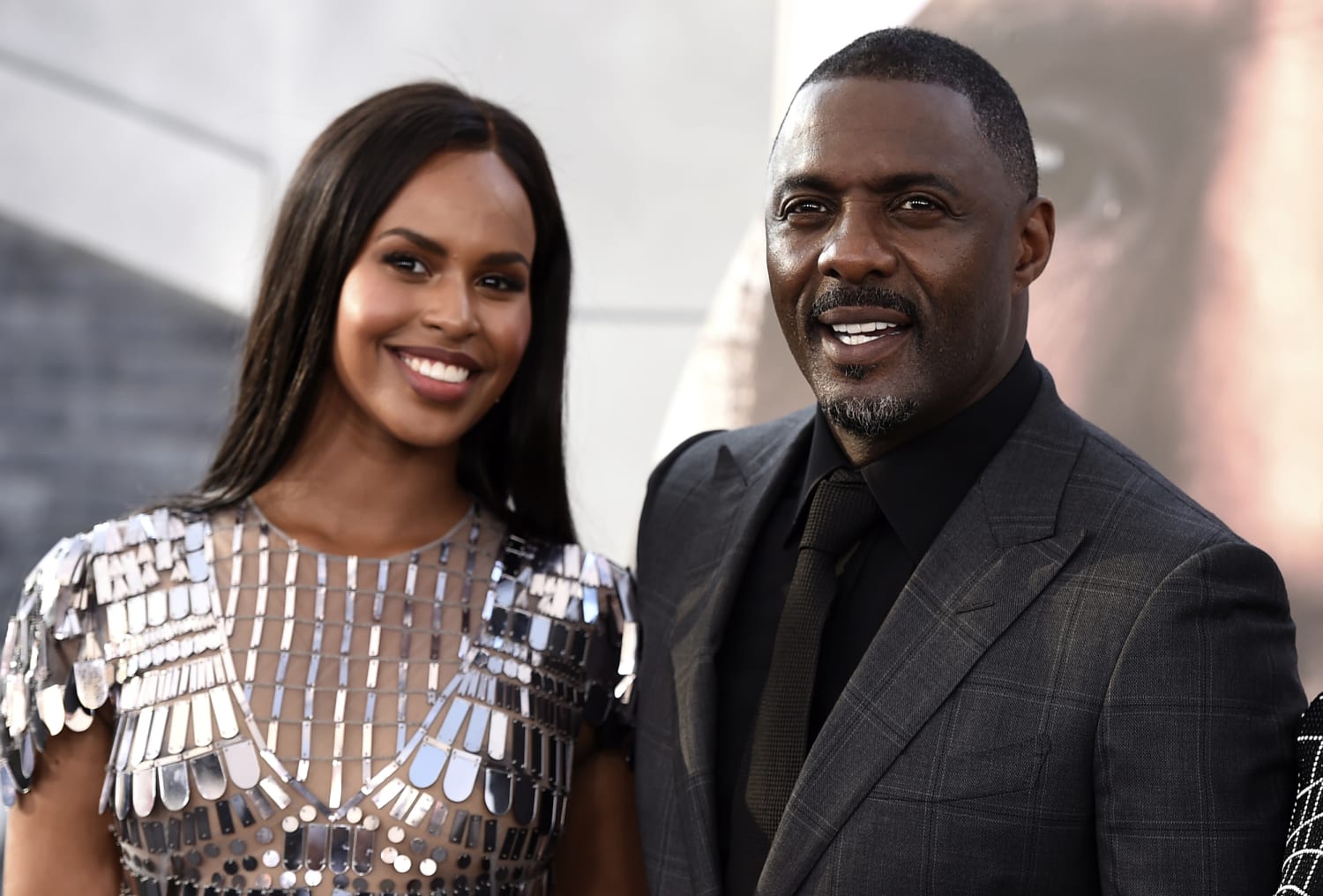
Romantic certainty doesn’t always arrive on schedule, and sometimes it appears precisely when you’ve stopped expecting it. The recent interest in Idris Elba wife Sabrina news reflects ongoing public fascination with how the actor’s perspective on marriage shifted after meeting Sabrina Dhowre. Elba has been transparent in interviews about not anticipating remarriage, having already experienced the full arc of a committed relationship and feeling content with that chapter closed.
Then Dhowre entered his life, and the calculus changed entirely. What makes this story compelling isn’t the fairy-tale framing but the practical reality: people revise deeply held positions when circumstances present genuinely different variables. Elba didn’t change his mind about marriage in abstract; he changed it in response to a specific person who altered his risk assessment and future projection.
The Psychology Behind Narrative Shifts And Changed Positions
Elba has discussed in multiple interviews how meeting Dhowre challenged his existing framework. He’d been married before, understood the demands and vulnerabilities involved, and had decided the trade-offs didn’t justify repeating the experience. That’s not cynicism—it’s informed decision-making based on prior evidence.
What’s interesting here is how new data overrides old conclusions. Elba didn’t suddenly decide marriage was universally valuable; he decided it was valuable with Dhowre specifically. That distinction matters because it reflects situational reasoning rather than ideological shift. He reassessed based on updated information, which is exactly how sound decision-making operates.
From a practical standpoint, this is where confirmation bias usually interferes. People who’ve had negative experiences often filter new possibilities through that lens, missing evidence that contradicts their existing model. Elba’s willingness to revise his position suggests cognitive flexibility that many struggle to maintain after relationship failure.
Public Framing And The Reality Of Rapid Connection
The couple met at a jazz bar while Elba was filming in Vancouver. He’s described the connection as immediate and sustained, using language that signals intensity rather than gradual build. That speed often raises skepticism—cultural narratives warn against trusting fast-forming attachments, framing them as infatuation rather than genuine compatibility.
Here’s what actually works in these situations: rapid connection isn’t inherently unreliable, but it does require verification through extended interaction under varied conditions. Elba and Dhowre didn’t marry immediately; they dated, navigated public scrutiny, and tested whether initial chemistry translated to functional partnership. The proposal came after that verification period, not during the initial rush.
The reality is that some people do form accurate assessments quickly. Pattern recognition operates below conscious awareness, processing compatibility signals faster than deliberate analysis. The risk isn’t speed—it’s mistaking excitement for compatibility or ignoring contradictory evidence because the initial experience feels compelling.
Age, Experience, And The Context Of Second Chances
Elba was in his mid-forties when he met Dhowre, with established career, life experience, and self-knowledge that younger versions lacked. That context matters because it changes what you’re optimizing for. Earlier relationship decisions often prioritize external markers—attraction, status, shared circumstances. Later decisions tend to weight internal factors—ease of communication, aligned values, complementary temperaments.
What I’ve learned is that second chances succeed most often when people approach them with revised criteria rather than repeating previous patterns. Elba didn’t seek a duplicate of past relationships; he recognized something different in Dhowre and had the self-awareness to adjust his stance accordingly. That’s not romantic spontaneity—it’s strategic adaptation based on updated information.
The Idris Elba wife Sabrina news cycle occasionally highlights their age difference, but both parties have addressed that directly in interviews. Dhowre is a model and activist with her own professional identity and life experience. The relationship isn’t structured around mentorship or dependency but around mutual attraction and compatible life visions.
Media Attention Strategy And Managed Visibility
Unlike some celebrity couples who perform their relationship for public consumption, Elba and Dhowre maintain selective visibility. They attend high-profile events together but rarely offer detailed personal narratives. That approach preserves privacy while acknowledging public interest—a balance that requires deliberate boundary-setting.
Look, the bottom line is that attention management is itself a skill. Couples who succeed long-term in public view tend to create clear distinctions between what’s shareable and what’s protected. Elba and Dhowre share milestone moments—their wedding in Morocco received significant coverage—but daily dynamics remain private. That selectivity protects the relationship from constant external commentary.
The data tells us that excessive public performance of relationships correlates with higher dissolution rates. When validation becomes externalized, couples start optimizing for audience approval rather than internal satisfaction. Elba and Dhowre’s more restrained approach suggests they’re prioritizing internal dynamics over external perception, which is functionally healthier even if less immediately engaging for observers.
The Practical Mechanics Of Blended Professional Lives
Both Elba and Dhowre maintain active careers, which means their partnership requires ongoing coordination around travel, commitments, and schedule alignment. Elba’s acting work involves extended location shoots, while Dhowre’s modeling and activism create their own demands. The relationship functions because both parties accept that professional obligations sometimes take precedence over convenience.
What actually works here is the absence of competition. Neither is trying to subordinate the other’s career to their own priorities. They’ve apparently structured their lives around mutual support rather than hierarchy, which becomes critical when both partners have significant professional leverage and identity investment in their work.
From a practical standpoint, this is where many high-profile relationships fail. When both parties command attention and resources, ego conflicts and priority disputes become more likely. The couples who navigate that successfully tend to have explicit conversations about whose career takes precedence during which phases, rather than assuming coordination will happen organically.
The ongoing Idris Elba wife Sabrina news coverage reflects public interest in relationships that defy initial expectations. Elba’s transparency about his changed perspective offers insight into how people revise deeply held positions when presented with genuinely different information. Their partnership illustrates that second chances succeed not through naive optimism but through strategic reassessment based on updated evidence and greater self-knowledge about what actually produces sustainable satisfaction.