
Rowan Atkinson wife Louise Ford news
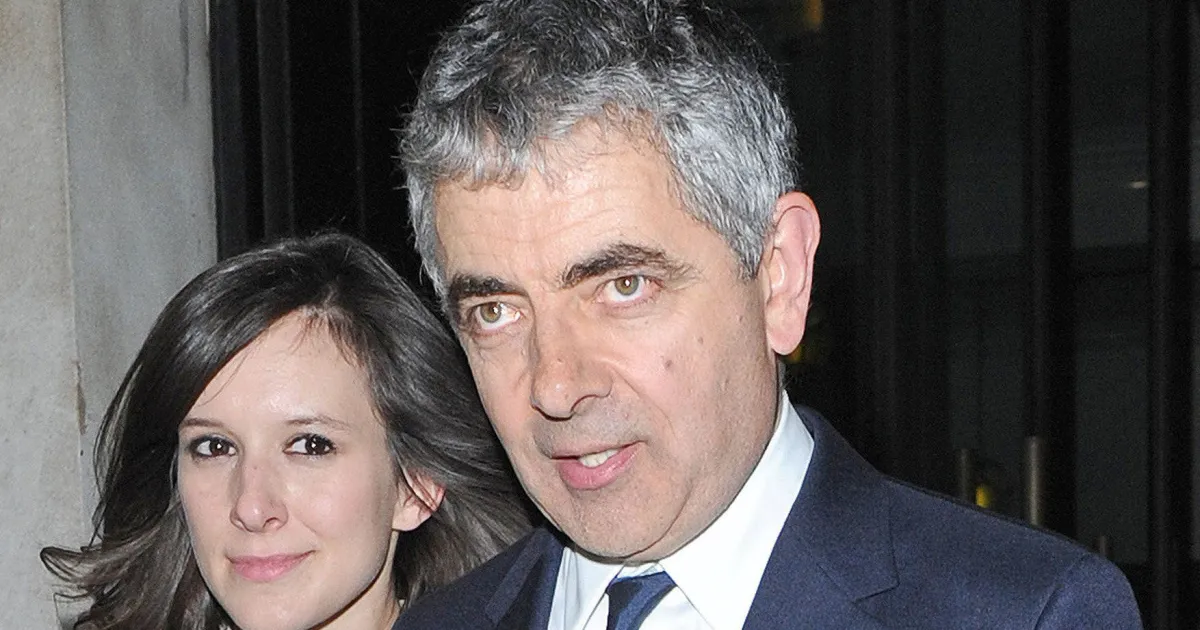
Rowan Atkinson’s transition from a decades-long marriage to a relationship with a significantly younger actress triggered media narratives focused on age difference and relationship drama rather than the practical realities of separation and partnership formation. The coverage reveals how public figures navigate personal change under scrutiny.
Louise Ford, an actress in her own right, often gets reduced to her role in Atkinson’s narrative rather than recognized for her independent work. This framing reflects broader patterns in how media covers relationships involving famous men and less-famous women.
The Timing Of New Relationships And Perception Management Challenges
Atkinson met Louise Ford while still married, which immediately shaped public perception as potential infidelity rather than overlapping timelines. Whether accurate or not, this framing stuck.
Reports suggested Atkinson had been dating Ford for eighteen months before his divorce finalized, fueling speculation about the marriage’s end. The sequence of events matters to public judgment, even when private realities are more complex.
From a reputation standpoint, being seen as leaving a long-term spouse for someone younger carries stigma, regardless of actual circumstances. Atkinson’s representatives offered no detailed commentary, which prevented escalation but also left the narrative uncontested.
Age Difference, Media Framing, And Why It Dominates Coverage
Louise Ford was thirty-two when media coverage of their relationship intensified; Atkinson was sixty. The age gap became the story’s focal point, overshadowing other aspects of their relationship or individual accomplishments.
Media fascination with age-gap relationships reflects cultural discomfort more than substantive concern. Coverage often frames the younger partner as opportunistic or naive, while the older partner is portrayed as either pitiable or predatory. Neither framing allows for agency or genuine compatibility.
The reality is that age gaps matter less than power dynamics, mutual respect, and shared values. But those nuances don’t generate headlines. Simplistic framing does.
The Cost Of Quickie Divorces And What Speed Signals
Atkinson’s divorce from Sunetra Sastry was granted in sixty-five seconds, described as a “quickie” divorce based on his “unreasonable behaviour”. This speed suggests pre-negotiated terms and minimal public contestation.
Quickie divorces, while efficient, signal that both parties prioritize closure over protracted legal battles. In high-profile cases, this approach limits media exposure and protects children from prolonged public scrutiny. Atkinson and Sastry have two adult children, who likely benefited from the process’s brevity.
However, speed also invites speculation. What was negotiated privately? What concessions were made? The lack of public detail prevents informed understanding but also protects everyone involved from ongoing scrutiny.
Privacy Strategy, Public Moves, And What Cohabitation Announces
Atkinson and Ford moved into a North London property together shortly after his divorce finalized. This public step signaled relationship seriousness and permanence.
For deeply private individuals, cohabitation represents a significant public declaration. It confirms the relationship’s legitimacy and invites acceptance rather than ongoing speculation. Sources described their rapport as strong, rooted in shared professional understanding as comedy actors.
Privacy strategy requires balancing discretion with necessary disclosure. Remaining entirely silent invites intrusive speculation. Offering limited confirmation, such as public cohabitation, provides closure to the public narrative while maintaining boundaries around private details.
Career Considerations, Relationship Visibility, And Mutual Professional Respect
Louise Ford has built a career in comedy, with roles in series like Misfits and Crashing. Yet coverage of her relationship with Atkinson often overshadows her professional accomplishments.
Sources emphasized that both being comedy actors allows mutual understanding of work demands and creative pressures. This professional compatibility matters as much as personal attraction in sustaining partnerships, particularly when both careers involve unpredictable schedules and public visibility.
The challenge for Ford is establishing her identity beyond being “Rowan Atkinson’s girlfriend.” Career advancement requires media coverage that highlights her work, not just her personal life. Atkinson’s immense fame makes this separation difficult, but sustained professional success over time can shift the narrative.