
Johnny Depp wife news
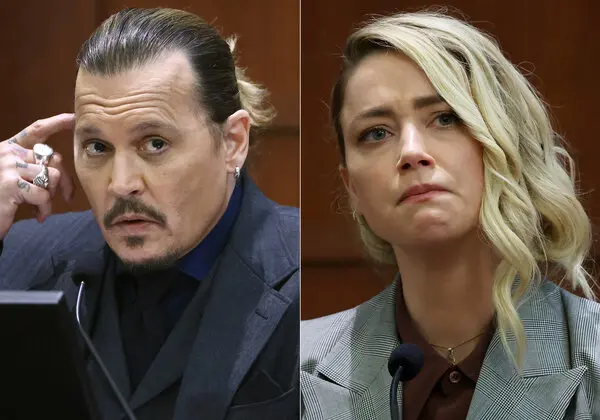
Johnny Depp wife news reflects a common pattern in celebrity reporting: the assumption that personal relationships define professional relevance. The reality is more layered. Depp isn’t currently married, and the focus on his romantic life often overshadows ongoing legal, creative, and reputational developments that carry more weight in determining his career trajectory.
Depp was previously married to Amber Heard from 2015 to 2017, a relationship that ended in highly publicized legal disputes. Since then, reports have linked him to Russian model Yulia Vlasova in what sources describe as a casual, undefined relationship. The absence of formal commitment language suggests both parties are avoiding the public scrutiny that comes with traditional labels.
The broader question isn’t about who Depp is dating. It’s about how relationship speculation shapes public perception when someone is rebuilding after controversy, and whether that speculation helps or hinders the process.
How Attention Cycles Shape Post-Controversy Narratives And Timing
The interest in Johnny Depp wife news reflects a specific moment in his public rehabilitation. After the legal battles with Heard concluded, Depp shifted focus to creative work, including the premiere of his film at Cannes, which received a standing ovation. The timing of relationship rumors coincided with this professional resurgence.
From a strategic standpoint, soft personal news can help humanize someone whose public image has been defined by conflict. Casual dating reports suggest normalcy and forward movement without introducing new controversy. That’s valuable when rebuilding audience trust.
What I’ve seen is that post-crisis figures often benefit from low-stakes personal stories that signal stability without demanding attention. The “casual relationship” framing keeps expectations modest and avoids the pressure that comes with high-profile commitments or public displays.
The Risk Of Speculation When Privacy Is The Priority
Sources close to Depp have emphasized that he’s focused on creative projects and isn’t prioritizing romantic commitments. That messaging is deliberate. It positions his personal life as secondary to professional output, which shifts the narrative away from relationship drama and toward artistic credibility.
The risk here is that the more you downplay something, the more interest it can generate. Privacy becomes a story in itself, especially when past relationships were highly public. The challenge is maintaining boundaries without appearing defensive or evasive.
Look, the bottom line is that speculation fills the gaps left by silence. When someone with a high-profile past chooses not to confirm or deny relationship details, the media often interprets ambiguity as confirmation. That’s why controlled, minimal disclosure can sometimes be more effective than complete silence.
What Undefined Relationships Signal About Reputational Strategy
The description of Depp’s relationship with Vlasova as “casual” and without traditional labels is noteworthy. It suggests both parties are avoiding the formal commitments that invite public scrutiny and create expectations around permanence. That’s a protective measure as much as a personal choice.
From a reputational standpoint, keeping relationships undefined reduces the fallout if things don’t work out. There’s no public breakup to manage, no divorce to navigate, and no need to explain changes in status. It’s a risk-mitigation approach that prioritizes flexibility over visibility.
Here’s what actually works: when someone is rebuilding credibility, low-profile personal choices signal maturity and focus. The opposite—high-profile romances or public declarations—can read as attention-seeking or distraction from ongoing issues. The understated approach aligns with a longer-term strategy.
Platform Dynamics When Rumors Outpace Confirmation
Social media has amplified speculation around Depp’s relationships, with engagement rumors surfacing based on posts that were later clarified by sources. The gap between what gets shared online and what’s confirmed creates a cycle where correction becomes part of the story.
The data tells us that social media-driven narratives move faster than traditional media cycles. A single post can generate headlines, which then require official responses or source clarifications. That puts pressure on public figures to either engage constantly or accept that speculation will run unchecked.
From a practical standpoint, this environment rewards those who can stay ahead of the narrative or who choose strategic silence. Depp’s team has opted for periodic clarification without constant engagement, which limits exposure but also allows rumors to persist longer than they might with more active management.
The Reality Of Building Forward After Public Legal Battles
Depp’s return to creative work, including his Cannes appearance and focus on music and art, signals an attempt to shift public perception away from legal controversies. Personal life speculation can either support or undermine that effort, depending on how it’s framed.
What I’ve learned is that audiences are willing to move on when there’s evidence of change and forward momentum. The challenge is ensuring that personal stories don’t overshadow professional achievements or reintroduce conflict. The “focused on work” narrative serves that goal by positioning relationships as background rather than foreground.
The reality is that public figures rebuilding after controversy face a narrow path. Too much personal visibility can reignite past issues. Too little can make them appear withdrawn or defensive. The balance requires knowing when to engage and when to let the work speak for itself.